Introducing: "Foundations of CrossFit Movement for Everyday Strength"
Curiosity Meets Clarity—Learn Something New Every Day
Welcome to a place where encouragement meets action—Delupik brings you approachable, down-to-earth guidance for mastering the basics of crossfit, all in an environment that feels more like a community than a classroom. I’ve seen firsthand how much a little support can spark real progress, and with Delupik leading the charge, you’ll find not just solid instruction, but a friendly space to move, learn, and grow at your own pace.
Who Our Course Aligns With
- Improved conflict resolution skills.
- Strengthened capacity to identify and mitigate cybersecurity threats.
- Enhanced appreciation for diversity.
- Increased motivation and engagement in learning.


Step In—Discover Your CrossFit Movement Story
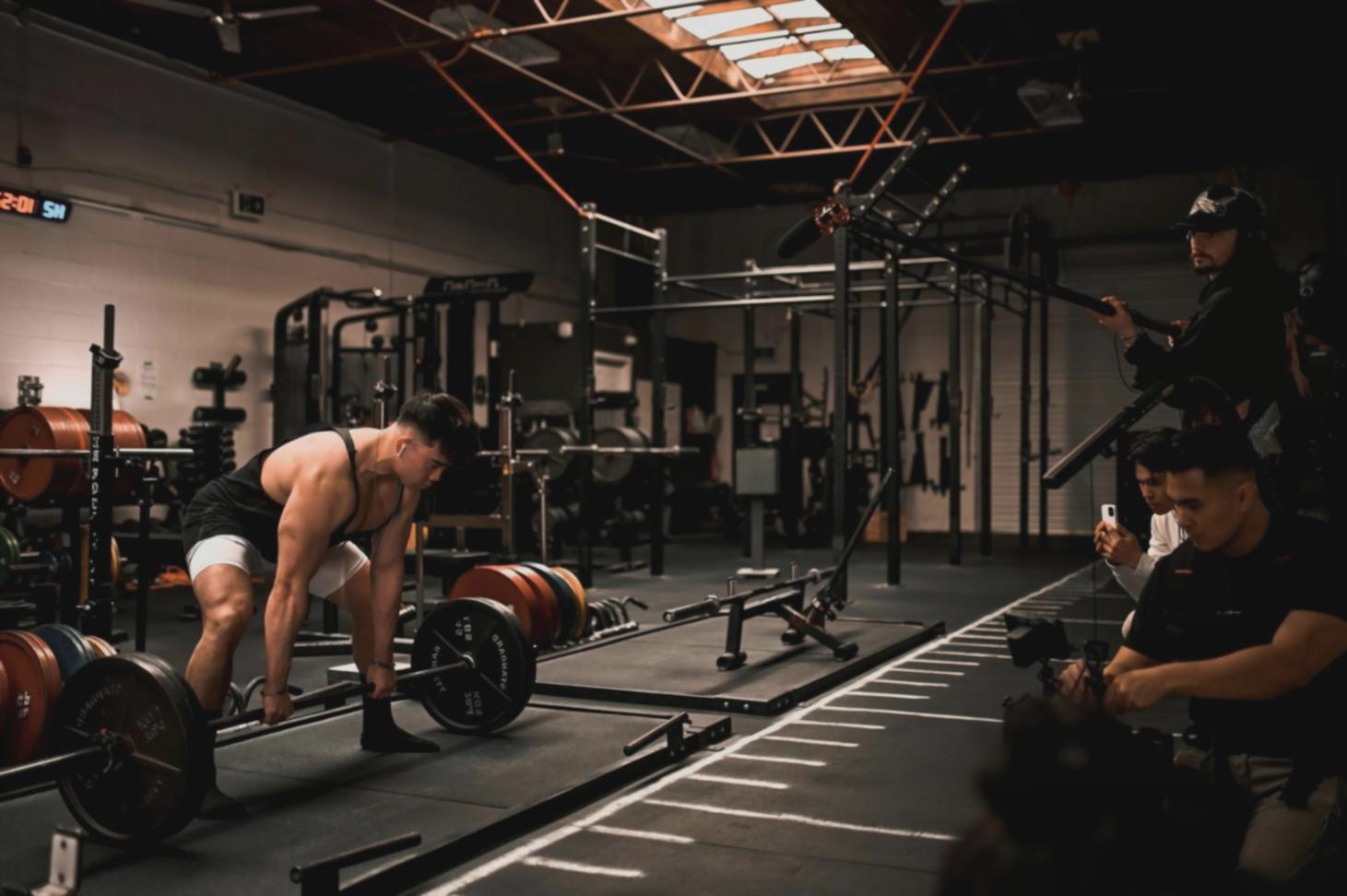
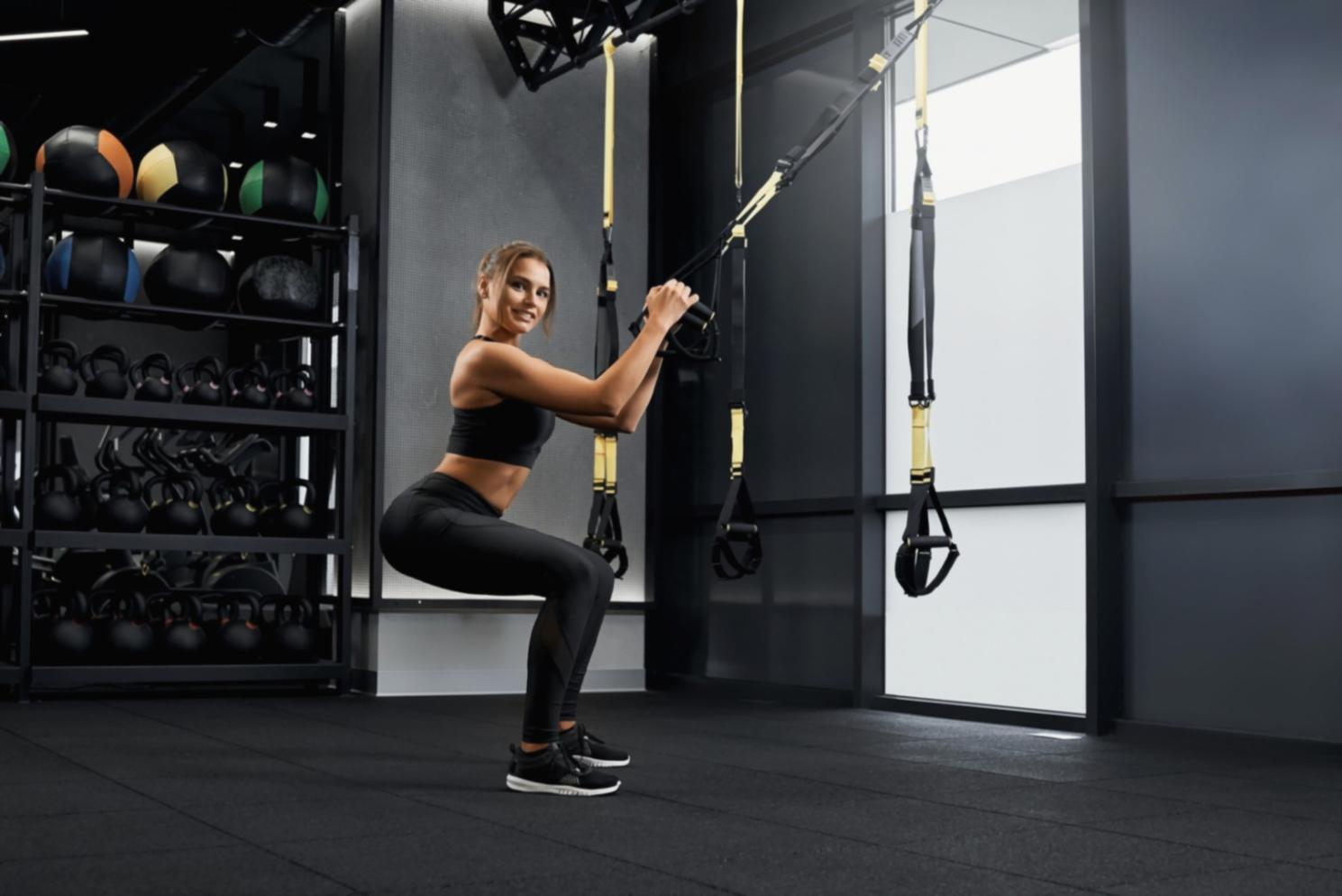
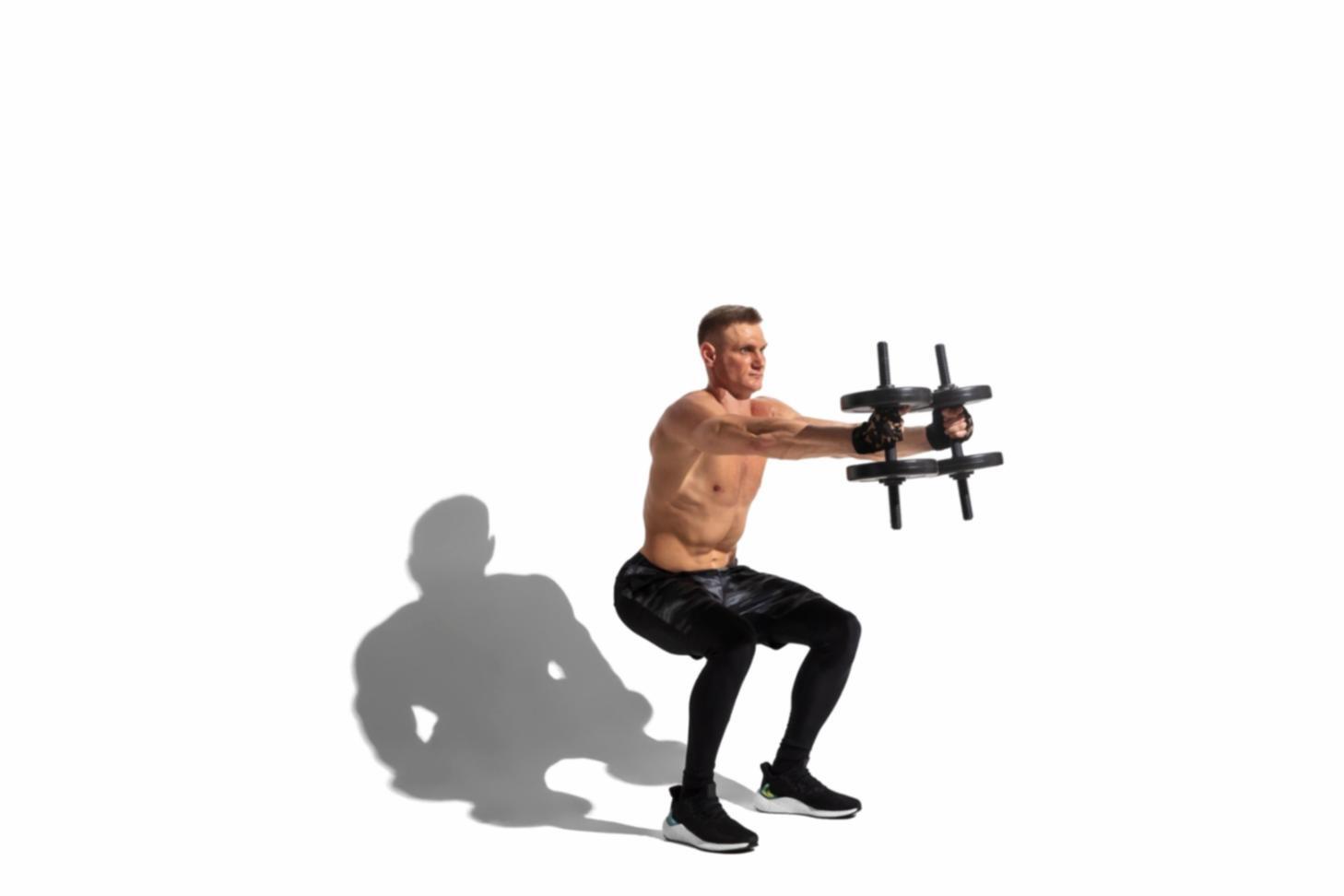
When we teach the basics of CrossFit—air squats, deadlifts, the strict press—there’s this dance between structure and curiosity that shapes every session. We believe in clear progressions; there’s no skipping the fundamentals, especially when someone’s never held a barbell before. But here’s the thing: within that framework, we make room for a bit of wandering. Sometimes a beginner’s quirky question about “Why does my back want to round here?” leads to a tangent on bracing mechanics, or even a spontaneous PVC pipe demo. The point is, we don’t treat the pathway as a rigid track but more like a well-trodden trail with side paths worth exploring. I remember one early morning class where someone, fresh from a rock climbing background, instinctively shifted their weight in the squat—different than I’d usually cue, but it sparked this whole conversation about posterior chain engagement and crossover skills. That sort of interplay, between what we plan and what actually unfolds, is where real learning happens. Of course, there’s always this subtle tug-of-war between challenge and support. Push too hard, and frustration wins; make it too easy, and you’re just going through motions. We try to hit that sweet spot—where the wall ball feels just heavy enough to demand focus, but not so daunting that people dread picking it up. And honestly, it’s not a perfect science. Some days, a new athlete needs the safety net of a box for their squats. Other days, they’re ready to go a little deeper, a little heavier. We watch, we listen, we adapt. The environment matters, too. There’s a palpable difference between the nervous energy of someone’s first ever AMRAP and the quiet confidence of a returning member nailing their first unbroken set of double-unders (which, let’s be honest, always feels like unlocking a secret level in a video game). Now, translating theory into movement—this is where things get interesting, and occasionally messy. You can talk about hip hinge mechanics till you’re blue in the face, but the first time someone tries to deadlift, some detail gets lost in the translation from mind to muscle. We rely on analogies (“Imagine you’re closing a car door with your hip”), tactile cues, and sometimes, just giving people space to experiment. Most folks don’t internalize the difference between lumbar extension and flexion because they read it in a textbook. They learn it when their hamstrings remind them the next morning. And yet, that underlying knowledge—how a neutral spine protects you, why we care about full range of motion—anchors the whole process. There’s no shortcut around that, but there’s also no single route. Our philosophy is messy, a bit improvisational, but in my experience, that’s what makes it stick.
Get StartedPrice Tiers for Training Plans
Delupik organizes its educational options to match different learning styles and goals—some folks want steady support, others prefer more independence. And, honestly, it’s a bit like picking out a new backpack: what works for you might be totally different from what fits your friend. In my experience, flexibility makes all the difference when you’re trying to learn something new. So, whether you’re looking for just the basics or something a bit more involved, you’ll find a plan that fits your approach. Find the perfect balance of features and value in our offerings:
Perfect Your Expertise: Perfecting Your Learning Experience
-
Online research ethics awareness
-
Improved utilization of virtual learning management systems
-
Increased proficiency in online teamwork
-
Greater online etiquette awareness

Learn smarter, not harder. Our online courses provide structured and practical education.
Let Us KnowThe Story Behind Our Success
Delupik
Learning new skills is a lot like rebuilding an old bike—sometimes you need to get your hands a little dirty, and the right teacher can make all the difference. I’ve always believed that the best lessons stick when they’re practical, a little unconventional, and maybe even fun. That’s what made me do a double take when I first heard about a place called Delupik, where CrossFit basics are taught in a way that honestly feels less like a bootcamp and more like a community workshop—think less yelling, more encouragement, and a surprising amount of laughter between reps. What sets them apart isn’t just their approachability, though. Their teaching methods are hands-on, with real-time feedback and a knack for breaking down movements so even total beginners (like me, once upon a time) can catch on without feeling lost. They use top-quality gear—no creaky barbells or worn-out mats here—which somehow makes push-ups feel a bit less daunting. And their trainers? They’re the kind who remember your name and genuinely care if your squat form is off. I’ve come away from a session not just sweaty, but actually excited to come back. That’s rare.
Great educational leadership always feels a bit like coaching—knowing when to push, when to listen, and when to just let people try things for themselves. I’ve seen firsthand how genuine passion, paired with just enough humility to admit you don’t know it all, draws people in and keeps them learning. That’s what caught my attention about Sandra and her journey with Delupik. She’s not just another entrepreneur with a business plan; she’s a certified CrossFit Level 2 Trainer, yes, but she’s also one of those rare people who can break down a burpee for a total beginner without making them feel like a lost cause. And that, honestly, is harder than it looks. Sandra’s vision for Delupik is rooted in the idea that fitness—like any learning—should be accessible, practical, and a bit fun, even when it’s tough. Her background, a blend of sports science studies and years coaching at local gyms, seeps into every lesson the company delivers. You’ll notice it in the way classes are paced, in the small cues she gives about form, or the way encouragement is woven into the feedback. She’s aiming for more than just ticking off technical boxes; she wants people to build confidence, little by little, until the basics don’t feel intimidating anymore. And if you ask her, she’ll probably tell you that the best part of her job is seeing someone nail their first squat or pull-up—because that’s where real progress begins.